
Good business examples
Decathalon
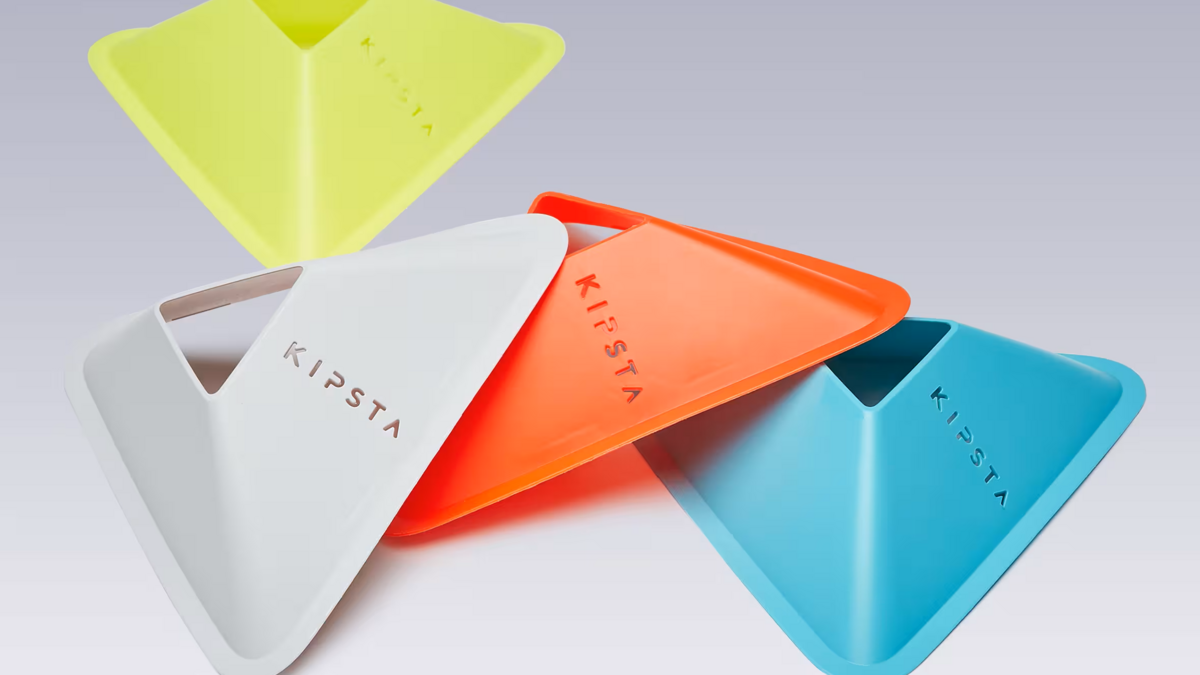
Decathlon is a 50-year-old sports equipment and apparel company that’s shifted its purpose from simply selling gear to getting more people moving in the most sustainable way.
Their data-driven eco-design approach helps them first focus on the 1% of their products that account for 30% of their emissions and then apply innovative design approaches like lightweighting or AI pattern cutting from footwear to bags to reduce both carbon and cost and increase sales.
For example, redesigning the Kipsta football cone cut carbon by 63%, lowered the retail price by €5, and increased sales by 221%. Overall, Decathlon has decoupled growth from carbon: growing 17% while reducing emissions by 13%.
Faith in Nature
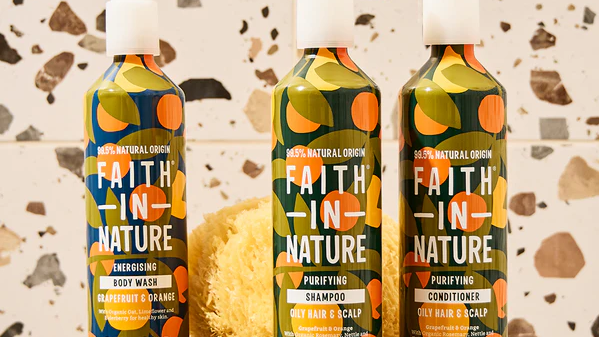
Faith in Nature is a Welsh ethical care brand, and the first company in the world to put nature on their board.
Branding that leans into sustainability and communicates how a nature-first approach is helping them reduce emissions and has helped an increase in sales by 11%.
Innovate UK and the Design Council
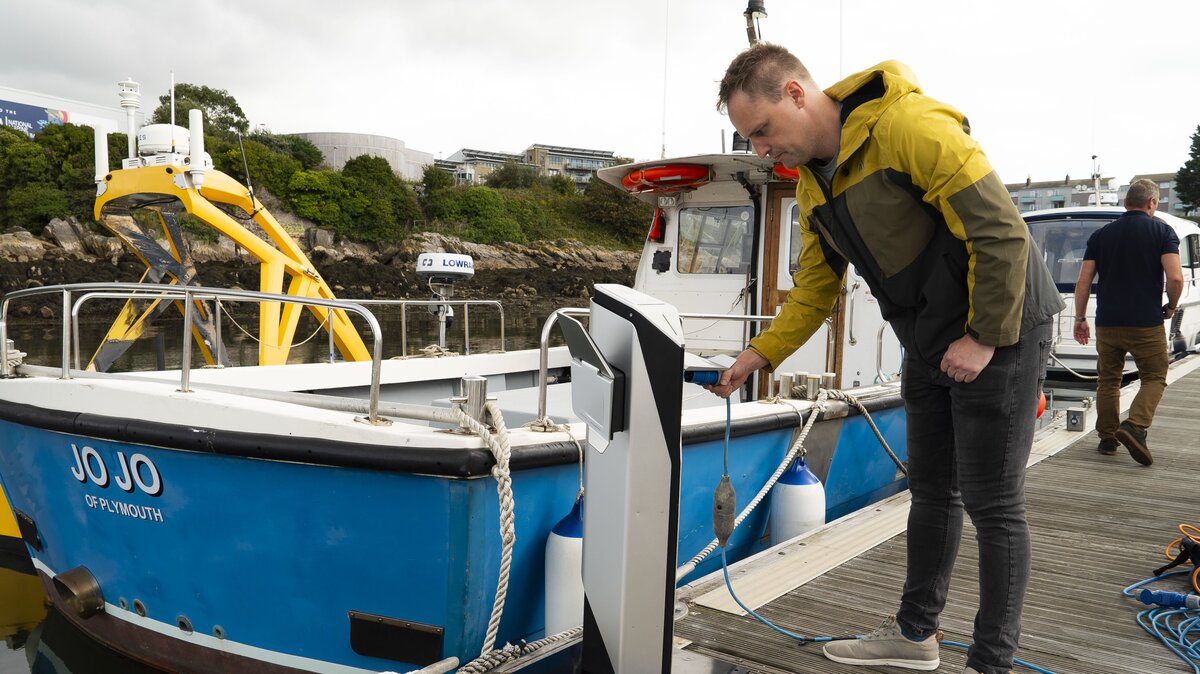
Innovate UK and the Design Council partnered on ‘Net Zero Living’, a programme which supported nearly 50 businesses to apply user-focused design to sustainable products and services.
From reusable takeaway packaging to electric charge points - increasing their appeal. One year on, nearly 50% of the participating businesses are generating revenue from these innovations, with a total of £5.7m of private investment secured.
GOMI

GOMI turns non-recyclable plastics like bubble wrap and food packaging into beautiful consumer electronics.
Each product tells a material story – from recycled coffee cups turned into power banks to old Barbie dolls turned into Bluetooth speakers. Their products use significantly less water and energy than conventional equivalents, yet they are so well designed that people would want them regardless of sustainability. Their direct to customer revenue has increased by 3.7 times between 2023/24.
Ganni

Ganni is Danish fashion brand, which heavily invests in circular and bio-material innovation.
For example, plant-based leather handbags or nylon recycling and take-back schemes. Through innovative material use and design, they have decoupled carbon (7% reduction) from growth (17% increase).
Fairphone
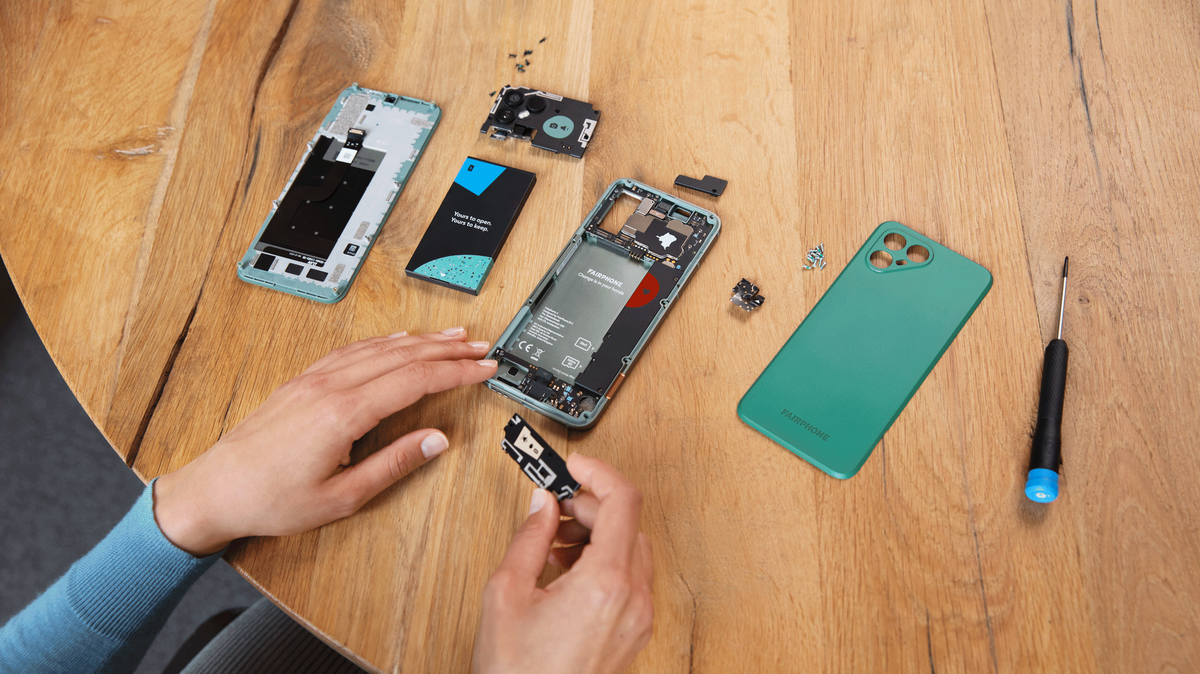
Fairphone is the world’s first modular and therefore repairable phone.
Their product influenced EU law leading to all tech companies having to make their phones repairable, and they have been working in collaboration with competitors to improve working conditions across material mining. 2025 saw their strongest sales performance ever, and the company experiences extremely high employee net promotor scores (eNPS of 83) and employee satisfaction (73%).
Impossible Foods
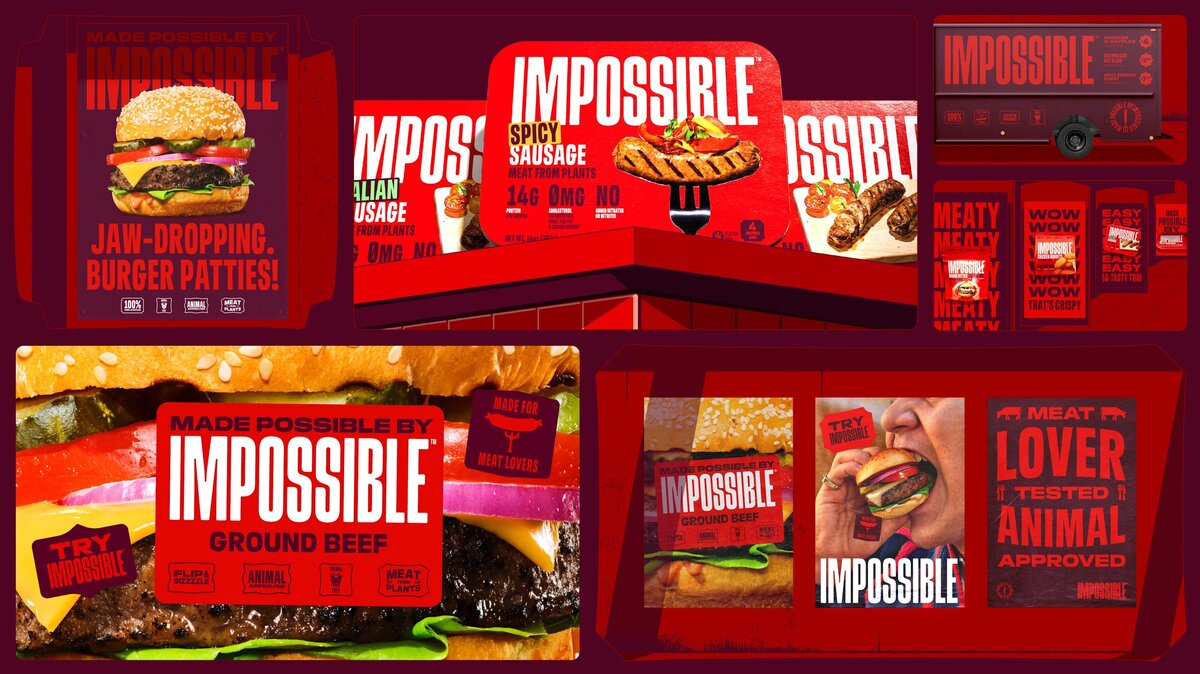
Impossible Foods was one of the early plant-based food pioneers which completely disrupted the food market.
They use design at many levels, from bio-design of meat-alternative heme that sizzles, to service design of where it is sold, and branding to make it appeal to meat-lovers. It has had a significant impact on the environment, using 96% less land and 87% less water than meat.
Started in 2016, sales accelerated during the pandemic and they quickly scaled to being offered in 5,000 stores and 22,000 restaurants, being valued at $4bn in 2020, with a $2bn investment. There has been a slight dip recently, which can be seen as evidence of wider market adoption, mainstreaming and therefore competition.