AI: Designed and deployed for good
Designing the UK's AI opportunity.
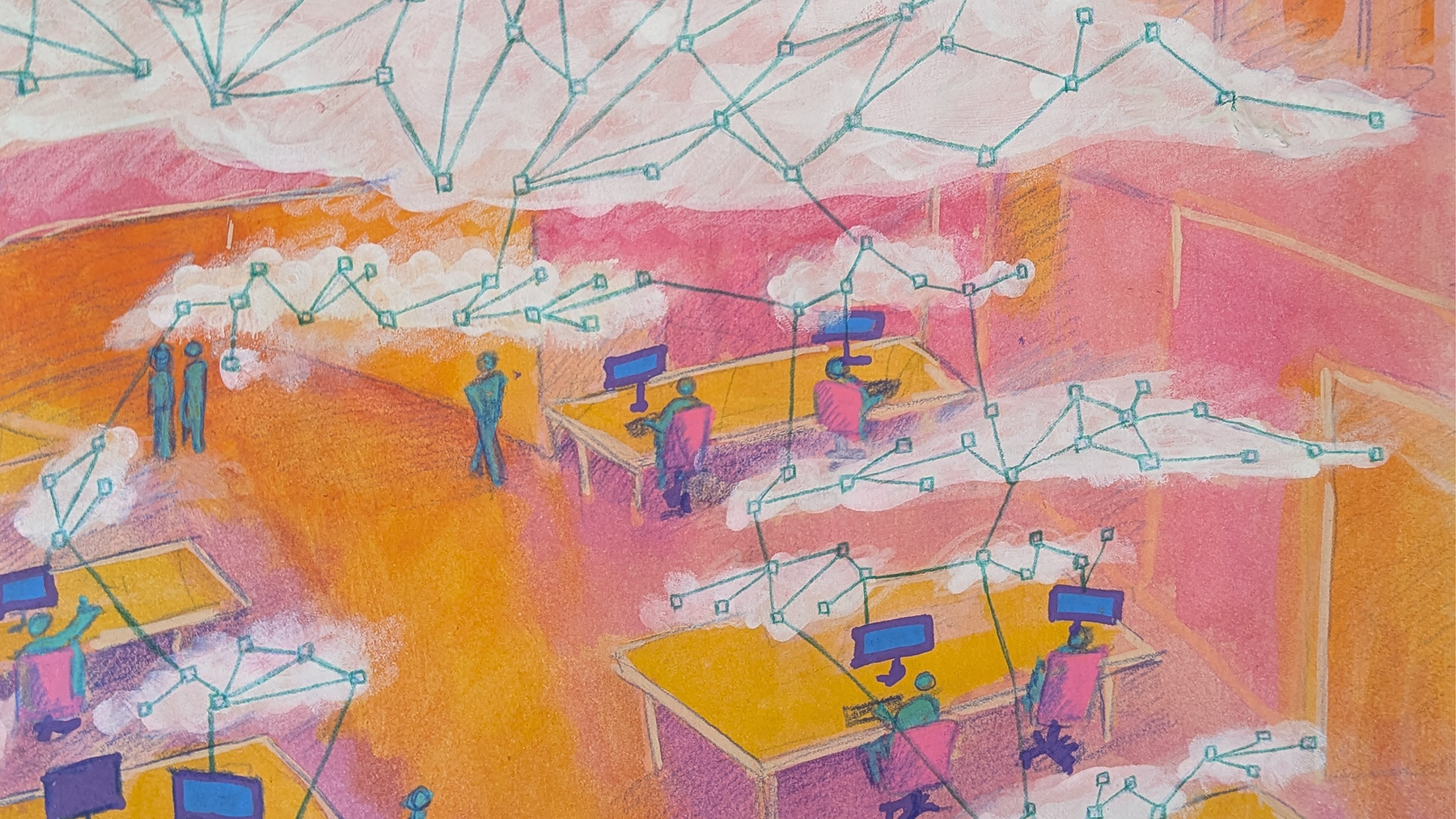
The UK has set out an ambitious vision for AI through the AI Opportunities Action Plan recognising its potential to drive innovation, productivity and public benefit.
Achieving that ambition, however, will depend on more than technical capability alone. The success of AI will be determined by whether it works for people.
The experience of social media has demonstrated the risks of prioritising growth and adoption without sufficient consideration of long-term societal impacts. Design is critical in shaping technologies that support the future we want to create.
Why design matters.
Design bridges the gap between technological possibility and real-world impact. It helps organisations identify the right problems to solve, understand the needs of the people they serve, and translate innovation into products, services and systems that work in practice.
As organisations move from AI experimentation to implementation, design can help create the conditions for trust, support adoption, and deliver meaningful value for people, businesses and public services.
A UK opportunity.
The UK design sector contributes £97.4 billion to the economy and is supported by world-leading institutions, including the Royal College of Art and University of the Arts London. This capability gives the UK a unique opportunity to complement its investment in AI infrastructure and technical expertise with leadership in the design and experience of AI.
By leading in the design of how people interact with, understand and benefit from AI through services and systems, the UK could improve adoption, reduce implementation failures, strengthen public trust and create new opportunities for exporting world-class design expertise.
Four key areas for design:
Focus on real needs
AI should help solve the challenges that matter most to people, communities, businesses and public services.
Design helps organisations identify the right problems before investing in solutions. By grounding innovation in lived experience, design ensures AI is directed towards genuine needs rather than technology for its own sake.
Create the conditions for adoption
Making AI available is not the same as making it useful.
People and organisations adopt technologies they can understand, trust and use with confidence. Design improves usability, accessibility, transparency and service quality, helping remove barriers to adoption and enabling more people to benefit from AI.
Enable systemic change
Many of the UK's most pressing challenges require change across organisations, sectors and systems.
Design brings together human insight, strategic thinking and collaboration to connect technology with wider transformation efforts. This is particularly important if government and public services are to achieve meaningful, system-wide change.
Maximise environmental sustainability
AI has the potential to support progress towards net zero, but it also brings growing demands on energy, water and digital infrastructure.
A design-led approach can help ensure AI is deployed where it creates the greatest value, improving efficiency, reducing waste and embedding sustainability considerations.
State of AI Design 2026 report
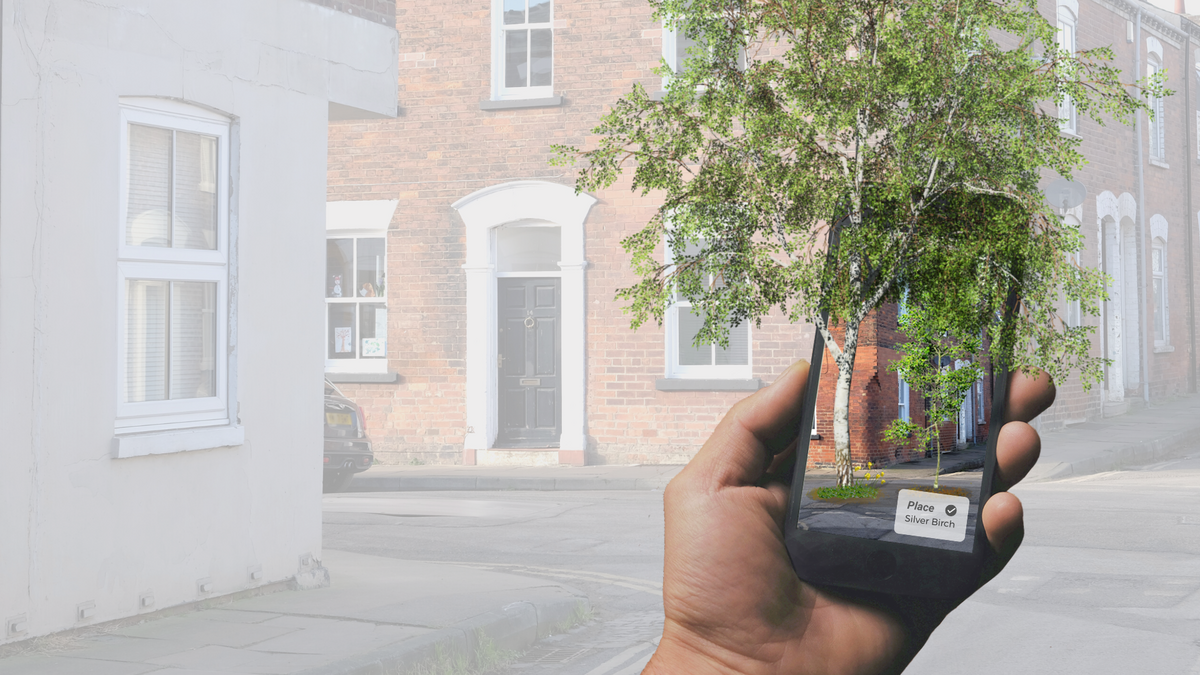
We are working to convene experts from across government, tech, business and design to examine where the UK can lead on harnessing design to turn the possibilities of AI into real value for people and planet.
If you are using AI to design for good, addressing real needs, improving outcomes, building trust, increasing accessibility or supporting sustainability we want to hear your story. Please send your case study of designers, design teams or organisations using AI in responsible and practical ways to us.
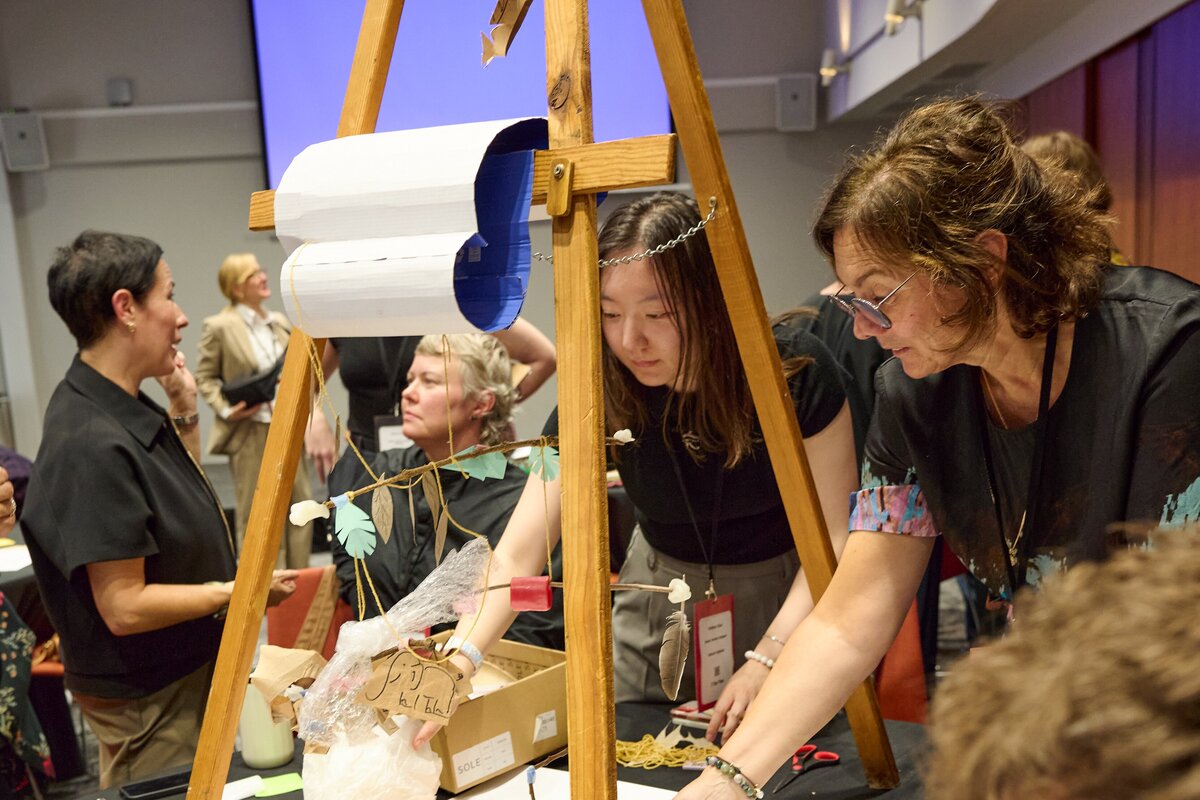
Work with us
Use design to unlock opportunities, solve complex challenges and grow capability.

Better business by design
Five ways leading businesses are harnessing design to solve business problems.
Design Academy
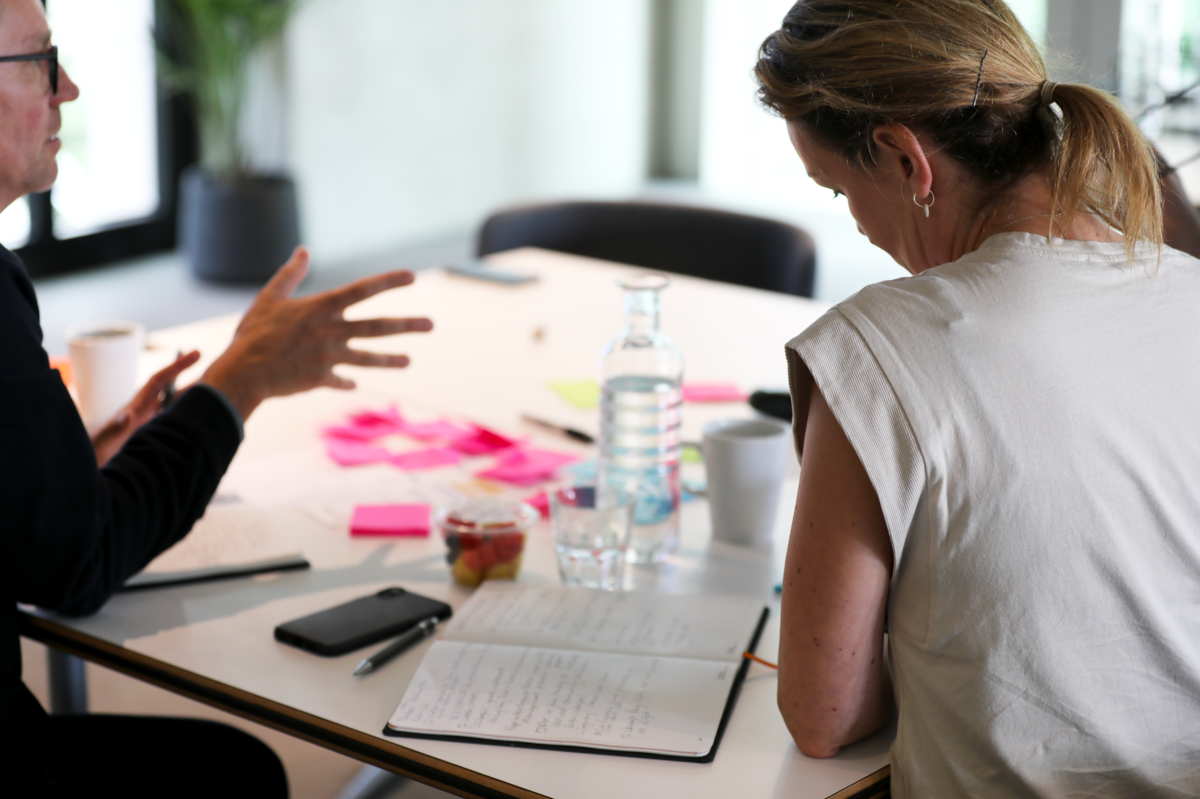
Helping your organisation to design new solutions to the challenges you face.

Design for Planet
This is our mission and a call to action to put the planet at the heart of design.
Skills for Planet
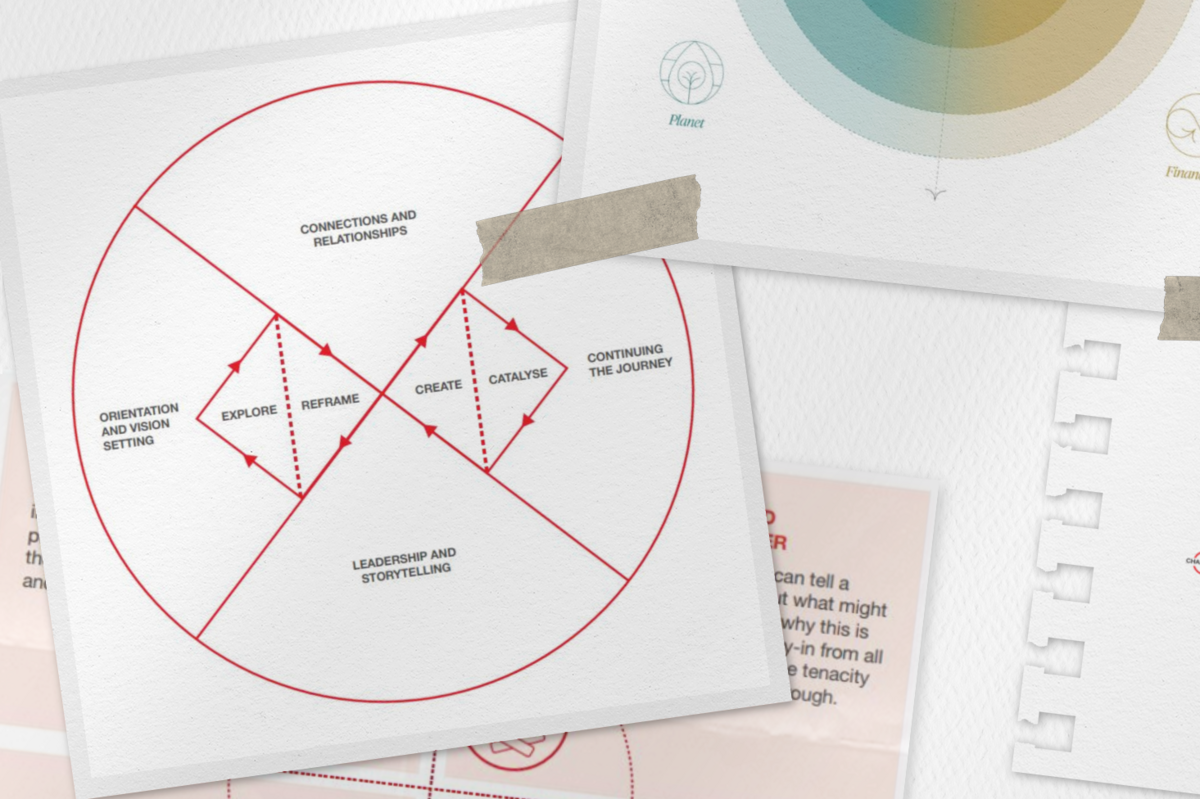
Want to put Design for Planet in practice? Explore our Blueprint to find and develop the skills you need.
Resources
Explore resources for designers and non-designers to learn about how to design inclusively and for our planet.

Policy and advocacy
We believe that design can power the UK for a better future. Find out how we’re advocating with government for designers and a planet-centred future.
Our book
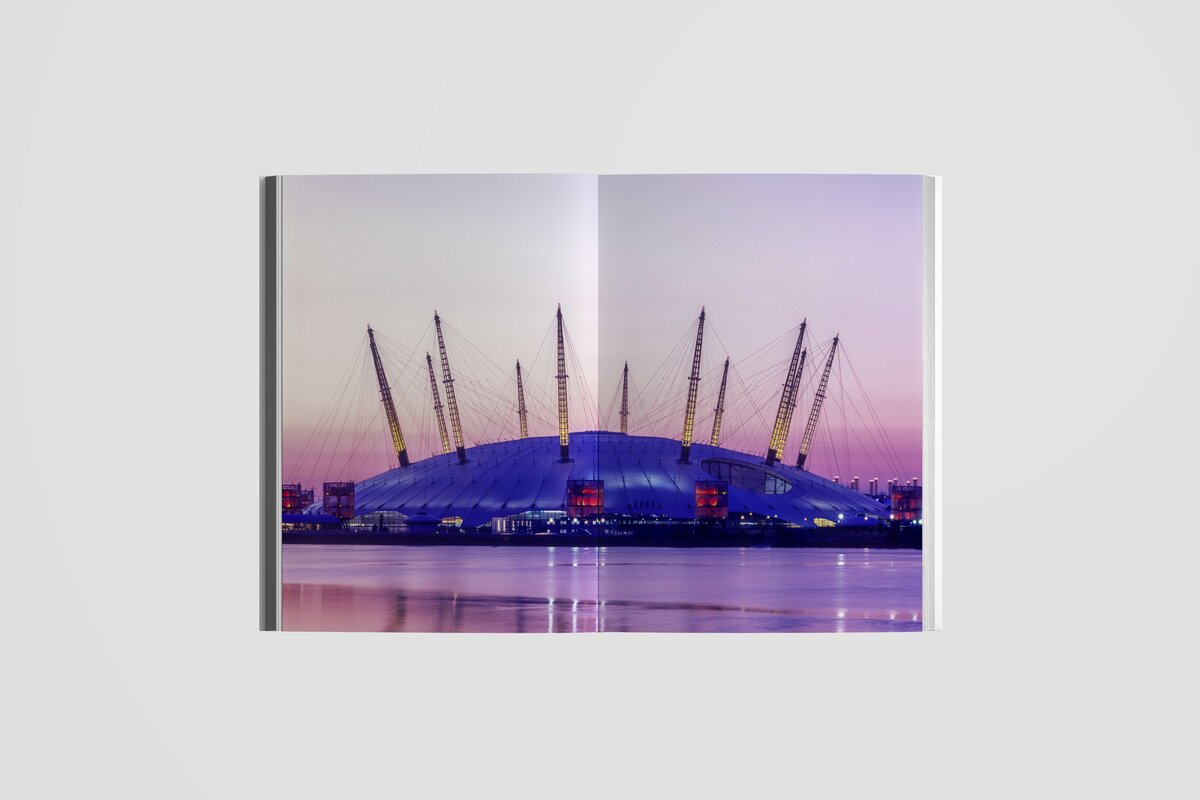
Discover the designs, designers and Design Council initiatives that have shaped British design history over eight transformational decades.