
SfP example initiatives
Council for Higher Education in Art and Design (CHEAD)
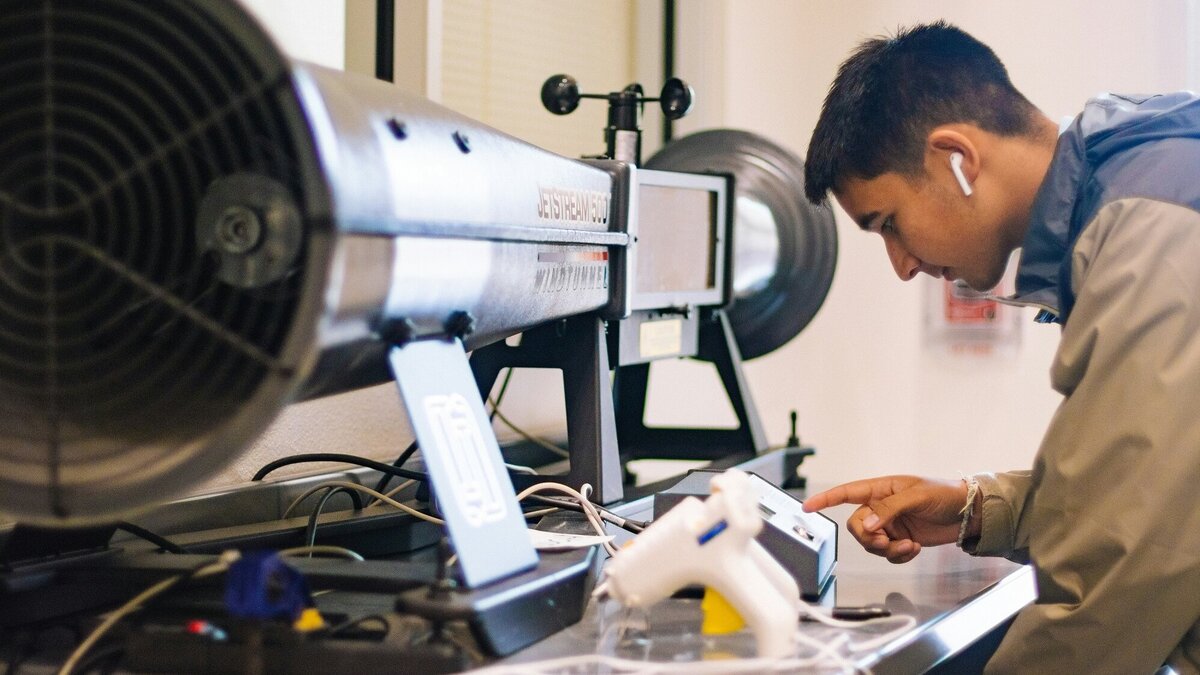
The Council for Higher Education in Art and Design (CHEAD) are mobilising their 70 member universities to upskill students with green design skills. If all 70 universities embed green skills in their design courses, an estimated 450,000 budding designers would be upskilled by 2030.
Students are the designers of the future. It is vital that higher education provides students with green design skills, so that they can enter industry with the ability to design for planet.
With 70 member universities, CHEAD has a huge role to play in influencing design higher education to teach students green design skills as a default, rather than an exception.
We have worked with CHEAD to develop resources that help universities embed the Skills for Planet Blueprint and its 18 green design skills:
- Learning Outcomes: we co-created a set of learning outcomes with representatives from University of the Arts London, De Montfort University, Cardiff Metropolitan University, University for the Creative Arts, Bath Spa University, University of the West of England, Manchester Metropolitan University, and Sheffield Hallam University, translating the Blueprint into educators’ language.
- Embedding Criteria: we have also drafted a set of criteria to help universities understand what ‘embedding the Blueprint’ might mean in their context.
As universities beginning embedding the Blueprint across their design courses, we will collate example briefs, assessment criteria and other resources for educators.
Bath Spa University
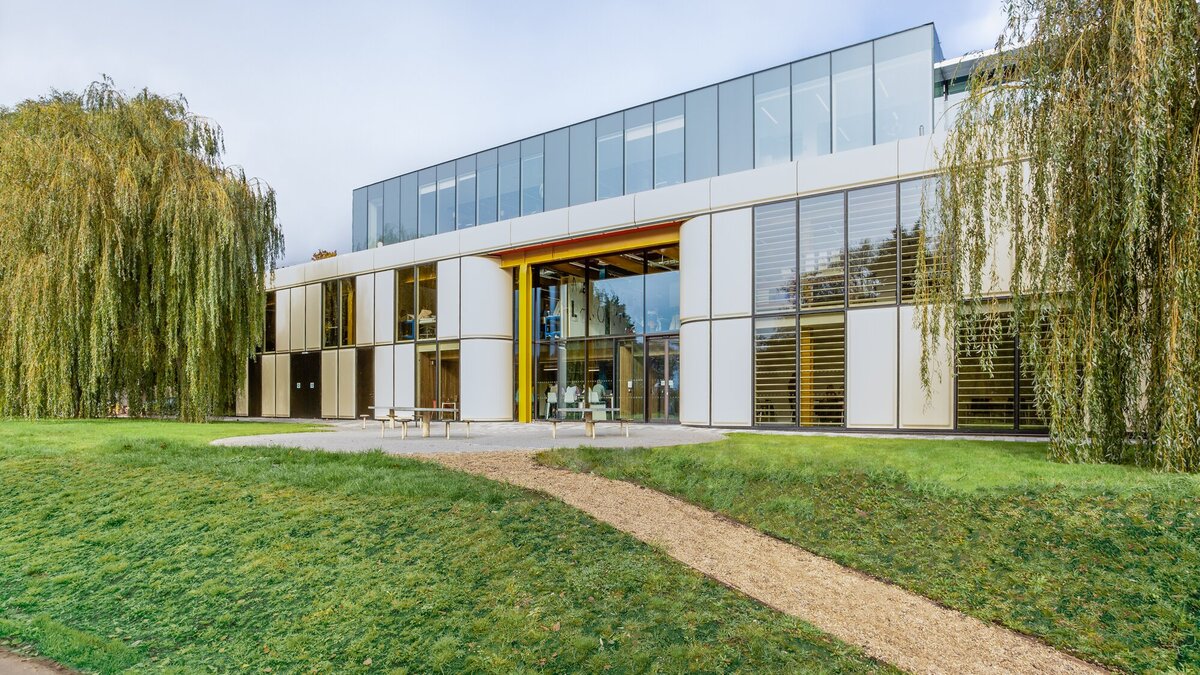
Bath Spa University (BSU) is the first university in the UK to commit to embedding the Skills for Planet Blueprint across its design courses, starting with its ‘Introduction to Design Practices’ first year undergraduate module in September 2025. By 2030, we expect that approximately 800 budding designers graduating from BSU will possess the critical green skills needed to design for the planet.
The School of Design at BSU is committed to deeply embedding designing for the planet into design education, through its curriculum, short courses and skills development.
The Skills for Planet Blueprint will be embedded into all aspects of BSU’s design provision by 2030, from Architecture to Product Design, Creative Computing to Graphic Design, Fashion and Textiles to Interior Design, and Cyber Security to Computer Science.
Partnering with BSU is a fantastic opportunity for the Design Council to better understand how the Blueprint is applied in practice in a Higher Education setting. We can then share these learnings with other universities and institutions, enabling more students to benefit from green design upskilling.
Bang Creations - Design Compass
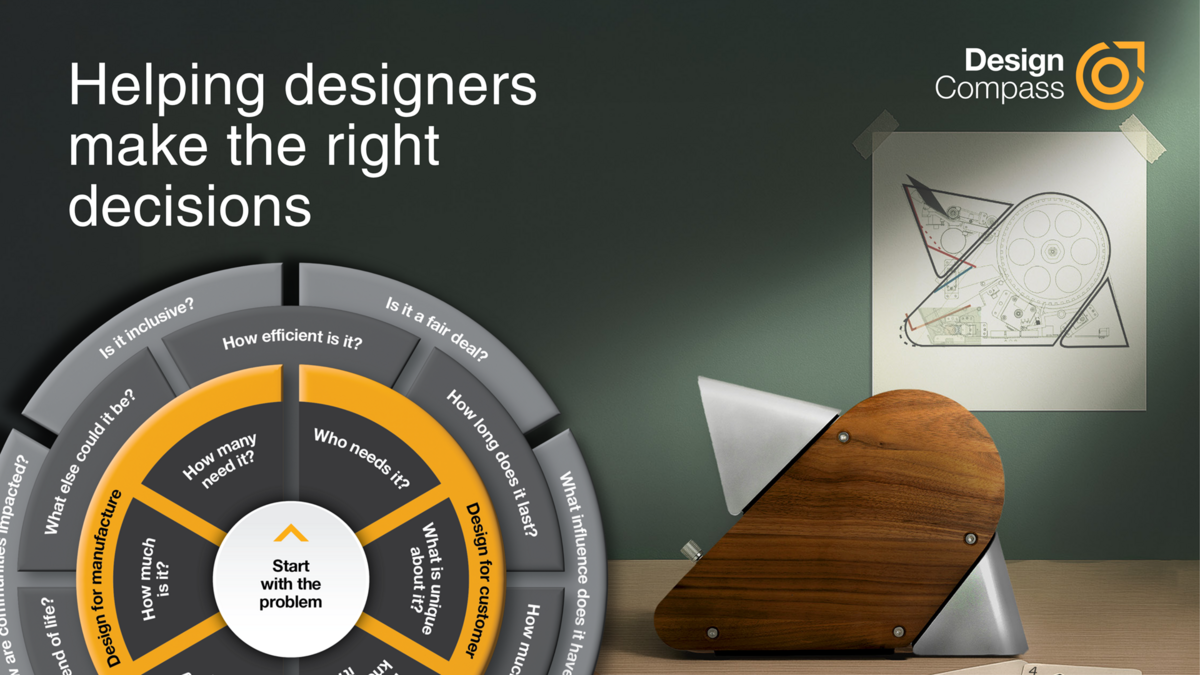
The Design Compass is an interactive tool, developed by Bang Creations through a collaboration of academics and industry experts. It acts as a guide for anyone driving innovation and best practice in product development.
The Design Compass highlights the environmental and social risks at every decision point in the development journey; it helps designers learn green design skills through doing. To support this, the Design Compass has integrated the Design Council’s Skills for Planet Blueprint directly into its data set.
Designers can use the Design Compass to:
- Learn how to develop a viable, sustainable and responsible product
- Benchmark your idea against market leaders to understand strengths and gaps
- Generate new challenges and explore alternative design directions
- Talk to an AI enhanced design expert, trained on curated resources and built specifically for real-world application
- Evaluate your project in detail with Design Planning AI to produce a scoping document that contains everything you need to communicate your project and its potential to others.
Supported by Innovate UK funding, the latest version of the Design Compass introduces purpose-built AI features that enhance decision-making, highlight challenges, and provide practical suggestions throughout the development journey.
The Design Compass is suitable for designers at all levels, from students to industry professionals, providing a structured approach to developing better, more responsible products.
Pearson

Pearson, the world’s lifelong learning company, are committed to giving young learners the skills needed to tackle complex environmental challenges. They are leading the way in creative education, with their Art and Design and Design and Technology qualifications providing the opportunity to upskill 240,000 14-19 year olds with green design skills by 2030.
Developing the skills needed to design for planet is a lifelong learning opportunity that starts at school. We cannot expect the creative sectors to have a solid pipeline of innovative, green skilled designers if we do not invest in equipping young people with these green design skills.
Pearson, having already committed to imagining and shaping a new future for design education, are turning their attention to developing practical resources that will initially focus on helping GCSE Art and Design teachers embed the Skills for Planet Blueprint into their teaching.
Reboot the Future are supercharging this shift in creative curriculum subjects, collaborating with Pearson to share green resources with their network of 22,000 teachers.