
Learning Lab Workshops

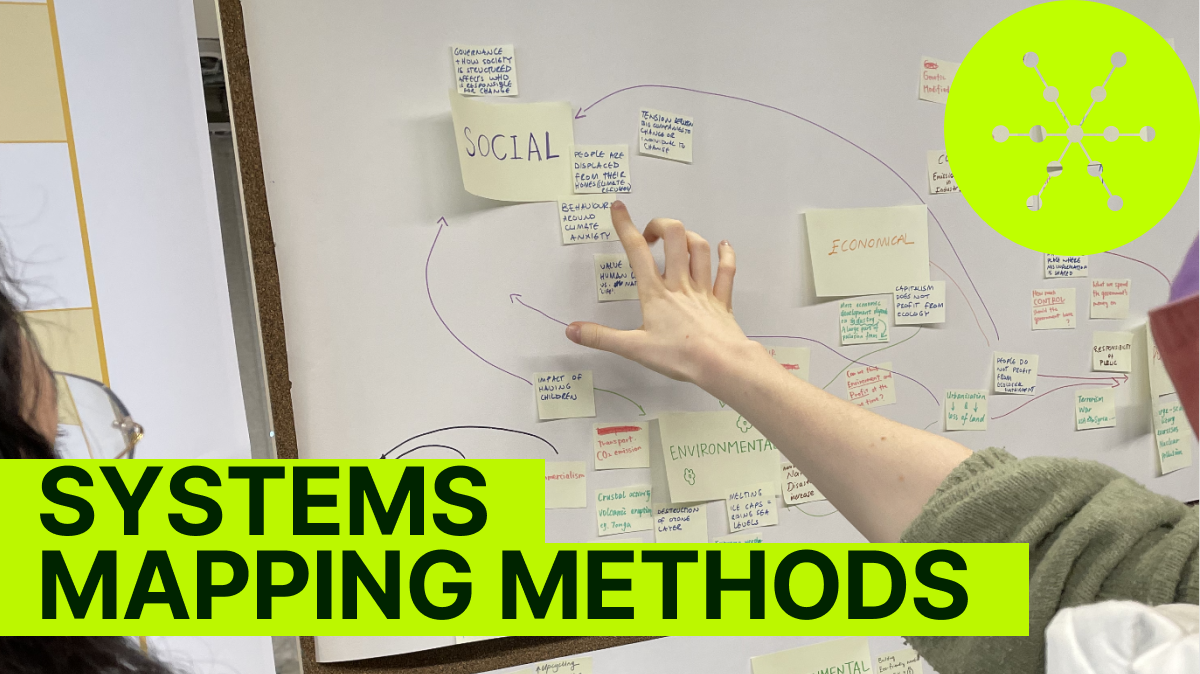
Systems mapping methods
Working with a systems-orientation demands new practices from designers.
In this workshop series you will build your skills in systems mapping. Starting with a light introduction to the theory underpinning systems mapping methods, you will then practice using several mapping tools, aiding problem definition and design decision-making.
Through four half-day workshops in-person we will explore four aspects of systems mapping: Rich Pictures (expanding your personal view through multiple perspectives), Actor Mapping (surfaces ‘who’ is part of a system), Causal Loops (focuses on the relationships and interdependencies within a system), and Multi-Level Perspective (explores how problems have evolved across multiple levels and time horizons).
By the end of the sessions you will have a practical starting point for integrating systems mapping into your own approach.
Cohort size
Up to 15 participants
Duration
Four 3-hour workshops
Delivery dates
Workshop 1: Rich Pictures
20 November 2026, 1:30pm - 4:30pm
Workshop 2: Actor Mapping
27 November 2026, 1:30pm - 4:30pm
Workshop 3: Casual Loops
4 December 2026, 1:30pm - 4:30pm
Workshop 4: Multi-level Perspectives
11 December 2026, 1:30pm - 4:30pm
About the tutors

Laura Knight
Laura Knight leads the MA Communicating Complexity at Central Saint Martins, where she develops curricula that use visual communication to tackle systemic challenges. Prior to this she was a Design Director in a data design studio and developed Guardian masterclasses in data visualisation, working with organisations to build data literacy, visual literacy and design capability.
Laura is interested in the gap between design education and the skills creative practitioners actually need when facing wicked problems: how to think systemically, interpret data critically, and communicate uncertainty without oversimplifying.
She brings a decade of experience moving between practice, teaching, and research—grounded in the conviction that design education and training means nothing if it doesn't equip people to do real work in the world.

Dr Niki Wallace
Dr Niki Wallace is a researcher, educator and designer with almost 20 years of teaching experience spanning the UK, Japan, and Australia. Niki’s teaching specialisms include complex collaboration and co-creation, sustainability and systemic interventions. They are an AHRC Innovation Scholar in partnership with the Design Council and Reader (Associate Professor) in Design for Transitions at University of the Arts London, where they also co-direct the Complex Collaborations Design Research Hub, co-convene UAL's EARTH Network and contribute to UAL’s Climate Emergency Network.
Niki was previously the director and principal of an Australian-based full-service creative studio and a living lab collective, working with broadcasters, corporations, local and state governments, as well as small-medium enterprises, and organisations and groups working in conservation and activism.
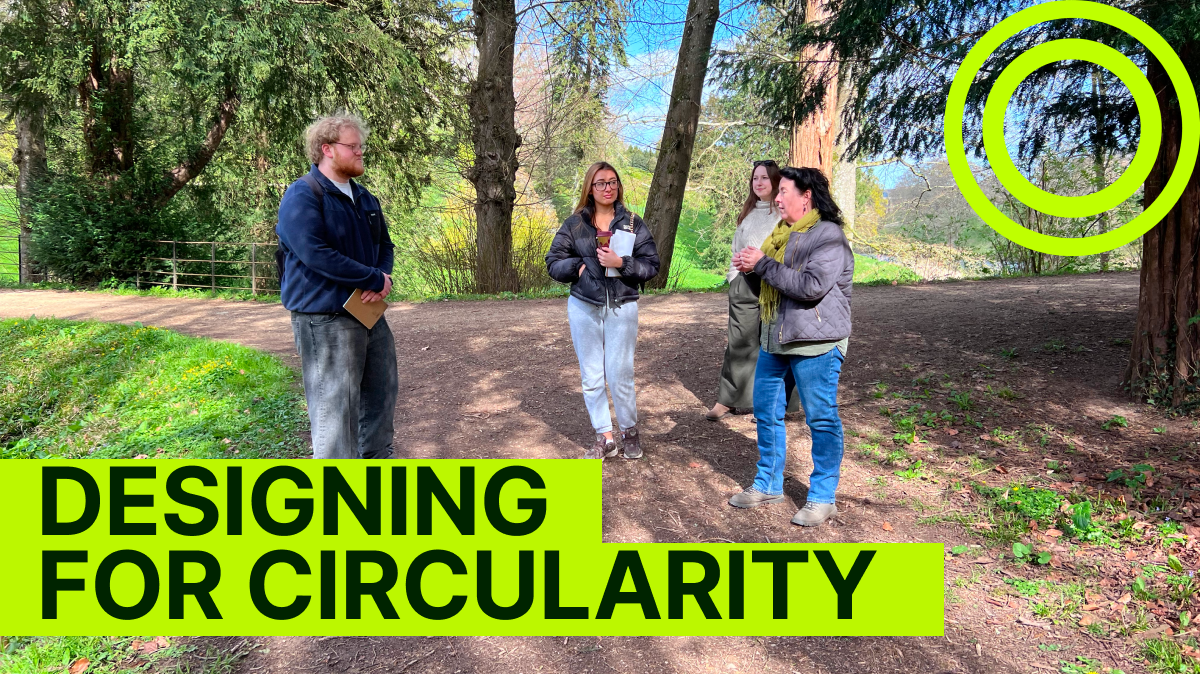
Designing for circularity
This two-day, in-person workshop is for designers looking to adopt circular design strategies.
The workshop will introduce contemporary academic and skills-based thinking within circular design. Participants are supported to develop a circular vision; a responsible ‘manifesto’ that considers the selection of materials for durability and product lifespan, waste minimisation models and regenerative interventions.
The focus of the manifesto is to enable a robust and circular Green Design approach that is informed, sensitive and evolving. The workshop provides the skills to evaluate and ideate material interventions that align with environmental standards and protocols, while being adaptable to shifting economies and goals. Located at Bath Spa University, in England’s Southwest region, you will be encouraged to consider and enhance your practice as part of a ‘circular ecosystem’ that is deeply embedded in place.
Learning outcomes
- Establish a working understanding of circular design strategies as part of a wider approach to circular ecosystem thinking
- Identify and map your design practice within a circular design context
- Create a circular vision including interventions that enable a 'minimum viable circular ecosystem' strategy as part of a staged and developing project
- At the completion of the workshop, you will establish a circular vision or manifesto for your organisation/design practice over the next 6-12 months.
Cohort size
Up to 15 participants
Duration
- One 1-hour online pre-workshop session
- One two-day in-person workshop
- Two online follow up sessions
Delivery dates
Online pre-workshop session
17 November, 7pm-8pm
In-person workshop
19-20 November, Bath Spa University
Online peer session
3 weeks after the in-person workshop
Individual tutor session
6 weeks after the in-person workshop
(Follow-up dates will be confirmed during the workshop.)
About the tutor
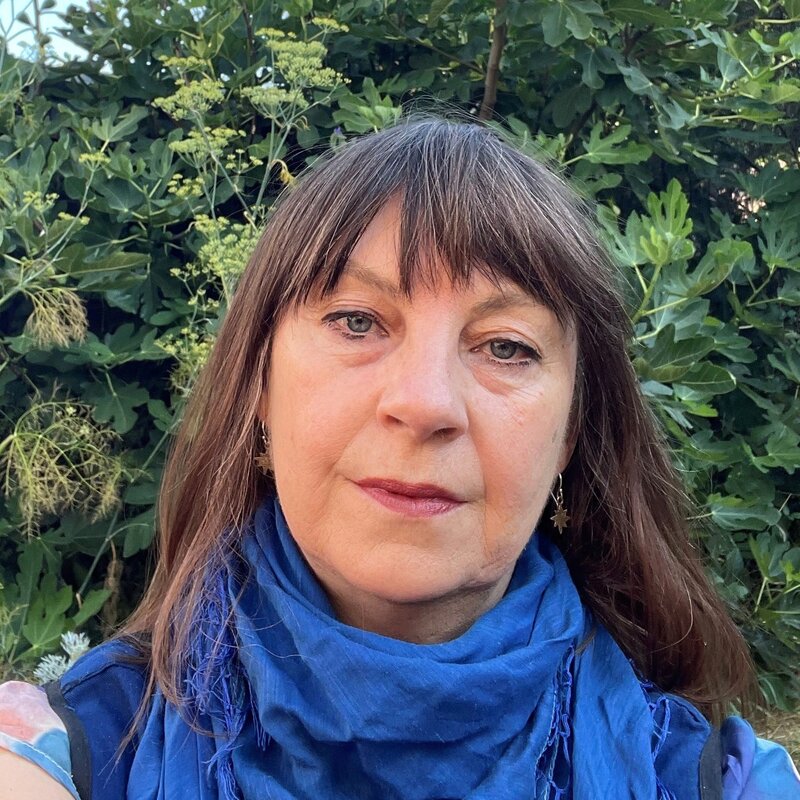
Patricia Brien
Patricia Brien is a Lecturer at Bath Spa University in Critical Design Thinking. For over 20 years she has been an academic in textile cultures and theory with a particular interest in regenerative design thinking & ethics and has worked at the Amsterdam Fashion Institute, Royal Melbourne Institute of Technology, University of South Wales, and Ravensbourne University London. She is the curator at Cacao House Stroud, and an independent curator, artist and researcher. Her work is focused on eco- and material feminist thinking and community praxis for ecological and social justice.
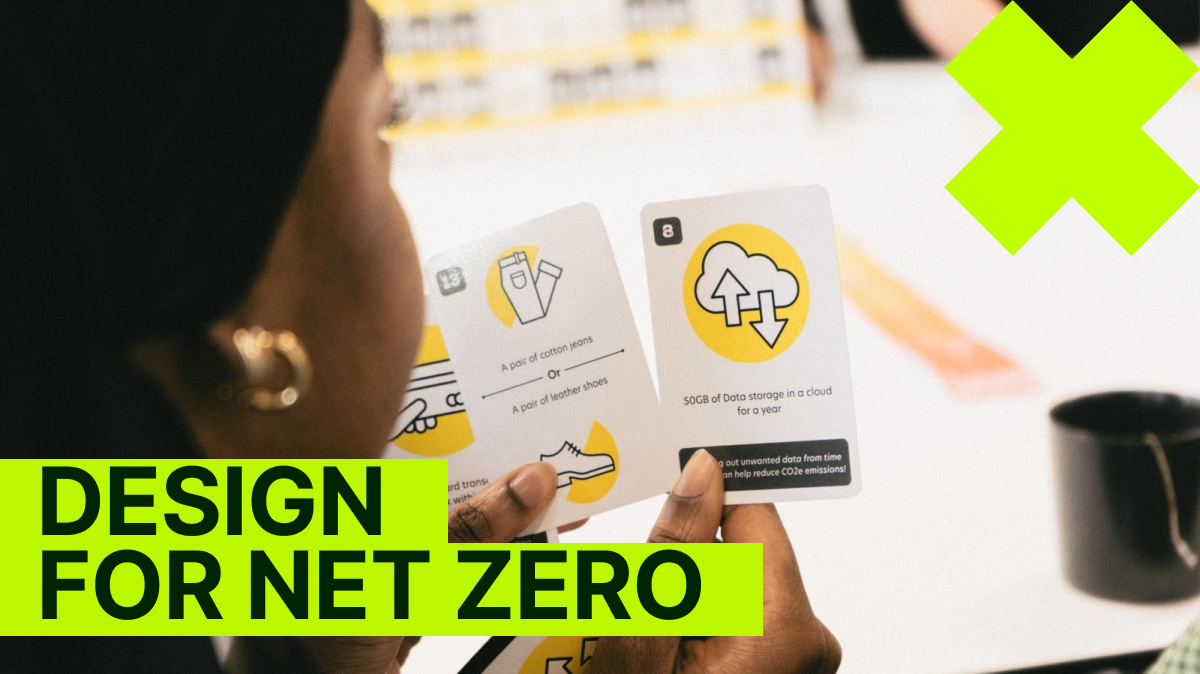
Design for net zero
The transition to a regenerative economy will be won or lost based on the choices we make today. For designers, this means that the decisions we make require an ability to critically interpret, question and apply environmental evidence.
In this course, we will explore net zero by closely looking at how life cycle data is requested, made, verified, packaged and then travels as an influencing force through institutions and to the public.
The course welcomes design professionals who wish to improve their understanding of environmental data and reporting in context.
Learning outcomes
Understand contemporary debates and policy shaping discussions around net zero design
Recognise key concepts related to life cycle assessment and environmental product declaration
Evaluate opportunities and challenges related to data maturity, methodology, and greenwash in organisational carbon reporting
Consider a range of net zero risks and dependencies through a range of possible global scenarios
Cohort size
Up to 30 participants
Duration
One-day workshop
Delivery dates
Choose from one of the following dates:
20 November 2026, 9:30am-4:30pm
11 December 2026, 9:30am-4:30pm
About the tutors

George Barker
George Barker is an environmental consultant, lecturer and researcher specialising in policy, life cycle assessment and carbon reporting. He is based at the University of the Arts London where he leads an award-winning Carbon Literacy training programme that has reached over 1,500+ design professionals and students. He teaches broadly across design disciplines and practices.

Ozge Sahin Munch
Ozge is a designer and climate engagement practitioner working to empower climate action. Her work translates complex climate and carbon knowledge into accessible, engaging and actionable learning experiences. In her previous role as Learning Coordinator for Climate and Net Zero at University of Arts London, she developed and delivered Carbon Literacy workshops across a wide range of creative disciplines.
Ozge is also the co-creator of Carboned OUT!, a game-based public engagement tool for climate education that has reached more than 3,000 players across educational institutions, organisations and community groups. In her practice, she bridges climate education and creative practice through transdisciplinary, collaborative and design-led approaches.
Co-creation with communities
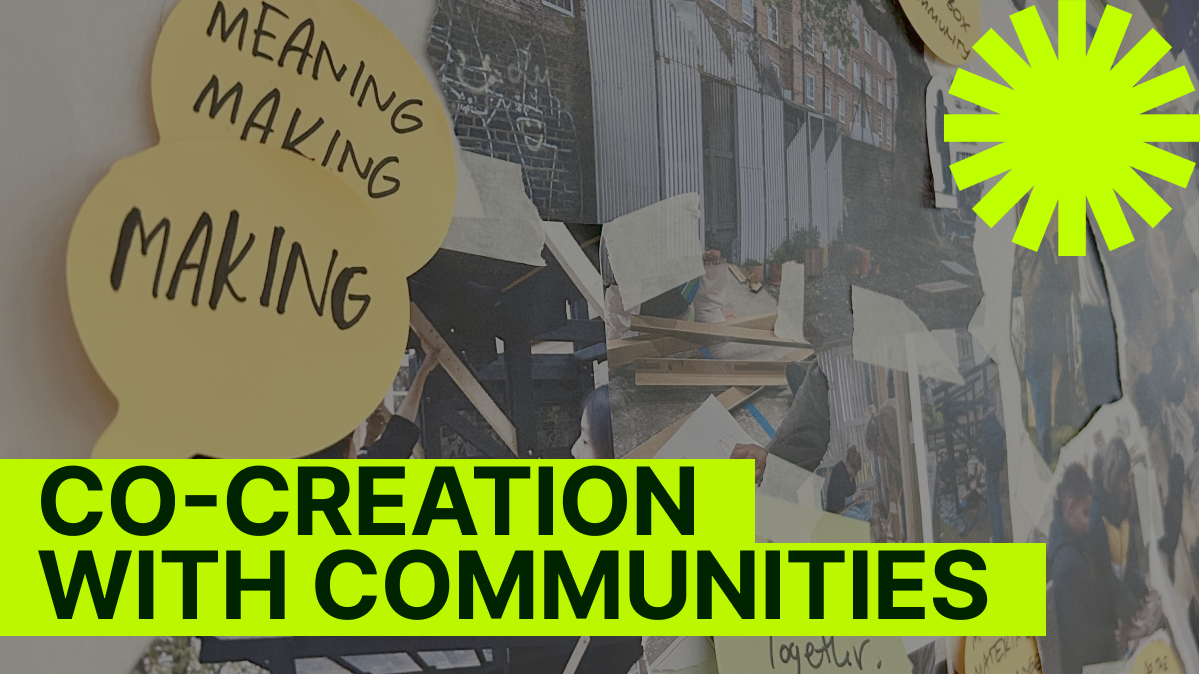
How designers show up in communities matters. Co-creation requires open communication and an ability to navigate difference and conflict. Making these skills explicit (especially when they seem so obvious) encourages us to pay closer attention to how people are collaborating and to practice methods that deepen engagement and widen participation.
In this two-day masterclass, you will practice communication and collaboration techniques that enable good participatory processes. We will start by practicing these through short activities, before applying them within a co-creation project that aims to build your capacity to deliver engaging co-creation processes that amplify justice and equity.
This active learning experience involves individual and group work. Each cohort meets twice online in the month before the in-person masterclass. One week after the masterclass you will join a closing circle where you can pose questions and reflect on how these practices are landing for you.
Learning outcomes
Build awareness of the foundations of effective collaboration, including open communication, active listening, working across difference, building shared understandings, and navigating tension and conflict.
Activate effective collaboration through critical engagement with peer designers to realise a co-created design outcome.
Develop your collaborative literacy and understanding of ethical considerations of working with communities
Consider how you are co-creating the conditions for empowerment through collaborative engagement and processes that amplify equity and justice for participants and wider communities
Cohort size
Up to 25 participants
Duration
- Two 1-hour online pre-workshop sessions
- One two-day in-person masterclass
- One 1-hour online follow-up session
Delivery dates
Online pre-workshop sessions
7 & 11 December 2026
In-person masterclass
16-17 December 2026
Online follow-up sessions
11 & 15 December 2026
About the tutors
Dr Niki Wallace
Dr Niki Wallace is a researcher, educator and designer with almost 20 years of teaching experience spanning the UK, Japan, and Australia. Niki’s teaching specialisms include complex collaboration and co-creation, sustainability and systemic interventions. They are an AHRC Innovation Scholar in partnership with the Design Council and Reader (Associate Professor) in Design for Transitions at University of the Arts London, where they also co-direct the Complex Collaborations Design Research Hub, co-convene UAL's EARTH Network and contribute to UAL’s Climate Emergency Network.
Niki was previously the director and principal of an Australian-based full-service creative studio and a living lab collective, working with broadcasters, corporations, local and state governments, as well as small-medium enterprises, and organisations and groups working in conservation and activism.
Rosie Hornbuckle
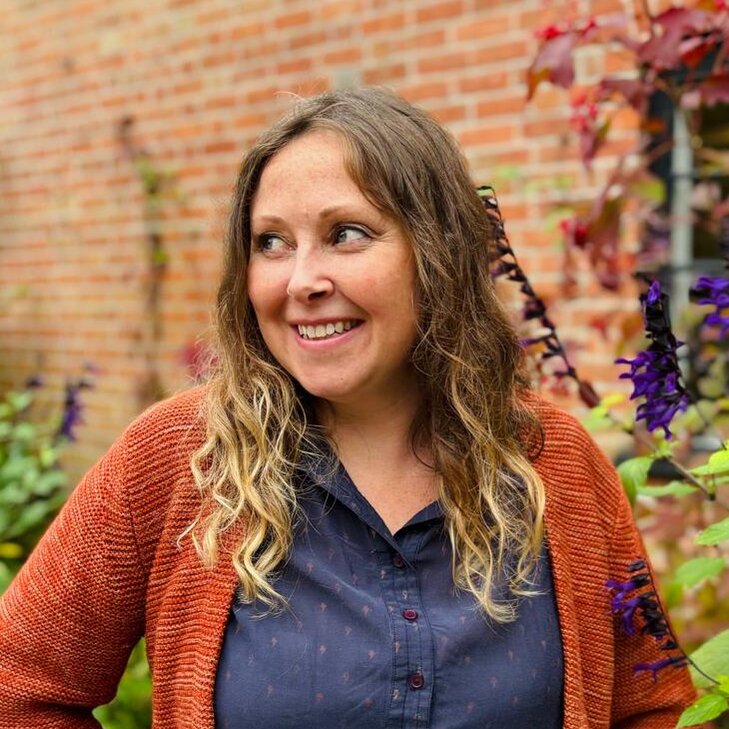
Rosie Hornbuckle is Reader (Associate Professor) in Design at University of the Arts London (UAL), SIG co-lead for Research Quality at the Design Society and Co-Director of the Complex Collaborations Design Research Hub (UAL). Rosie’s research is about how design research and practice can support multidisciplinary and multi-actor collaboration to address the most complex and pressing threats to social and environmental wellbeing. Her practice proposes a different purpose for design, where design skills and competencies such as translation, sense-making, meaning-making, and the ability to make connections between people, places and things, is applied to address the challenges of complex collaborations.